
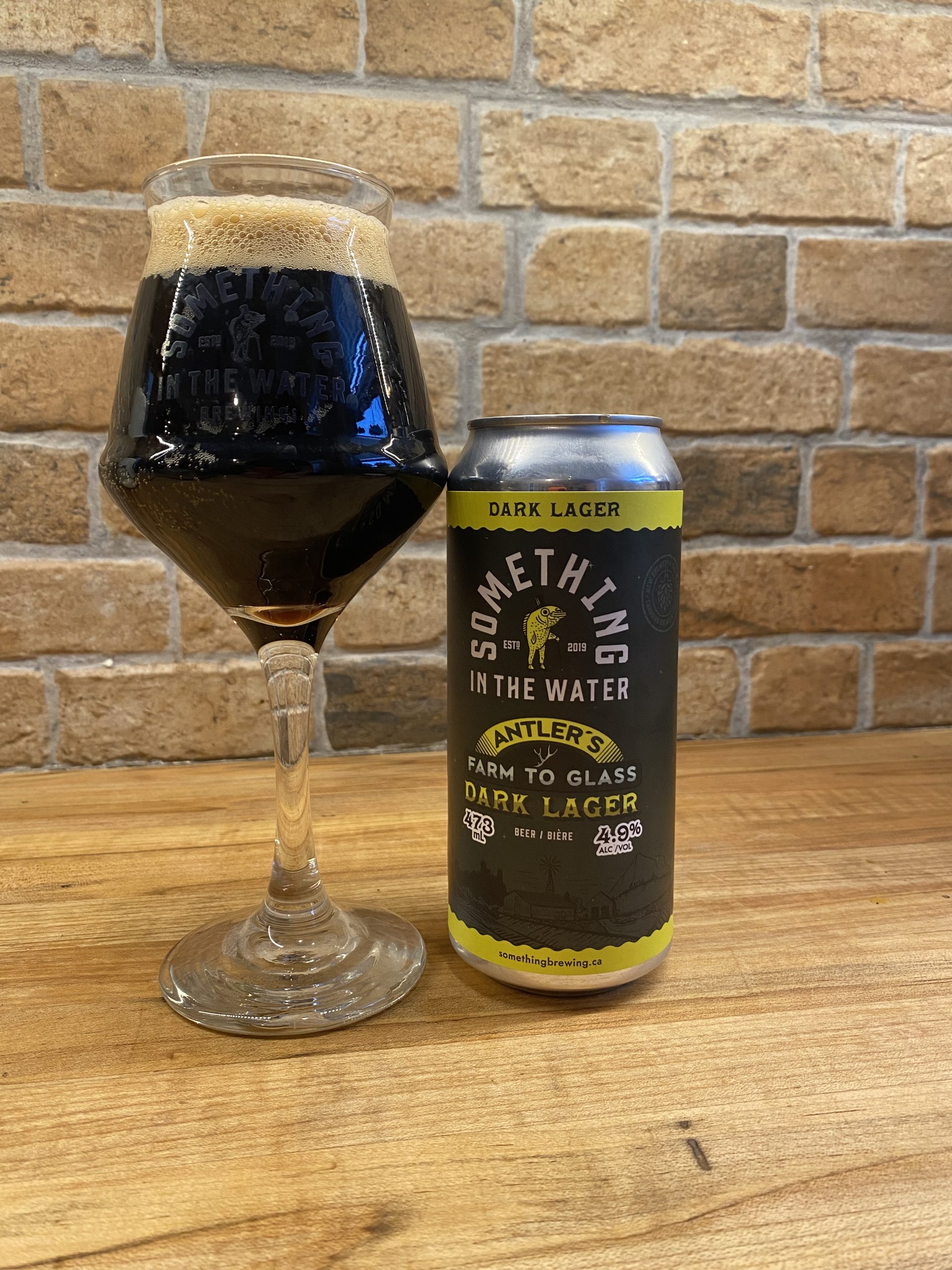
Into the Darkness
The first black lager I ever tasted was quite confusing. It looked like a stout, it kinda smelled like a stout, but it didn’t quite taste like a stout, and it sure didn’t finish like a stout. Then I never saw one again for years. To be fair, the Schwarzbier (literally “black beer”), hailing from the Saxony, Franconia, and Thuringia regions of Germany has been around for quite some time, and is usually available. Dark lagers in the broader sense are even more prevalent. Munich Dunkels, the Bock family, Czech Tmavé, and Baltic Porters are all dark lagers that enjoy a long and rich history, along with the usual wax and wane of popularity. These, in some iteration, are usually available in Ontario. It should be noted that Baltic Porter has become a pretty loose style, and can tread dangerously into porter or stout territory. Though often delicious, maybe not the best benchmark.
Maybe I’m less observant than I imagine myself to be, but the black lager revival seemed to take place overnight. How long it will last we don’t know. We can only hope. These local versions are a departure from the originals, but cling to the roots, and rightly so. They seem to incorporate more roast than caramel and toffee, and boast more complexity than most of their predecessors. As inspiration seems to stem from the Schwarzbier and the Tmavé, let’s take a brief look. The German Schwarzbier is generally a roasty, toasty attack with a bit of chocolate in the mid, and then a clean clean finish. The bitterness is usually high but not harsh, and not overly aggressive. Acidity also tends to be more restrained than that initial roast impression would indicate. The Tmavé, though, can be a malt bomb. Done well, all kinds of interesting nuances can be exposed. The expected light chocolate, some dark fruit, and sometimes the nutty character expected in brown ales. Toast is often present, but the roast tends to be slightly understated compared to its German cousin. The bitterness is certainly lower, and the finish tends to be maltier, yet clean. Balanced and drinkable. Done less well and it’s hard not to feel like the beer is just a mouthful of caramel. Which might be fine, depending on the occasion.
But now enter the Canadian craft brewer. We are held to no rules and no conventions, but are of course respectful of the guidelines. To a degree. Interpretation, modification and alteration are the cornerstones of variety and the launchpad of flavour after all. Without such departures, half the beer styles we enjoy would fail to exist. I highly suggest seeking out these black lagers and trying at least a few. You won’t be disappointed. Everything I have experienced so far has been different and very well executed. From roasty, bitter and clean, to malty but balanced with a lingering interplay on the finish. What they all hold in common is the clean fermentation, leaving us with a glassy smooth feel and a medium finish, rife with ghosts of the last sip.
A few to try:
Silversmith Brewing-The Black Lager
Trestle Brewing Company-Noctaglia Black lager
Perth Brewing-Bonfire Black Lager
Bellwoods Brewery-Black Rice Lager
Collective Arts-Nocturnal Flora Schwarzbier